


Where is Ngala Safari Lodge Located?
TL;DR: Ngala Safari Lodge sits in the western sector of Kruger National Park within the Timbavati Private Nature Reserve, about 50km from Hoedspruit and accessible via a 5-hour drive from Johannesburg or short flight to Hoedspruit Airport. The lodge shares unfenced borders with Kruger, giving you access to 14,700 hectares of prime Big Five territory without the day-visitor crowds.
Getting to Ngala isn’t like driving to the Spur. You’re heading into proper bushveld territory where the animals outnumber the people and your GPS might throw a tantrum halfway there. But that’s exactly why people love it – you’re genuinely in the wild, not at some game farm where the lions are half-tame and the elephants know the meal schedule better than the staff.
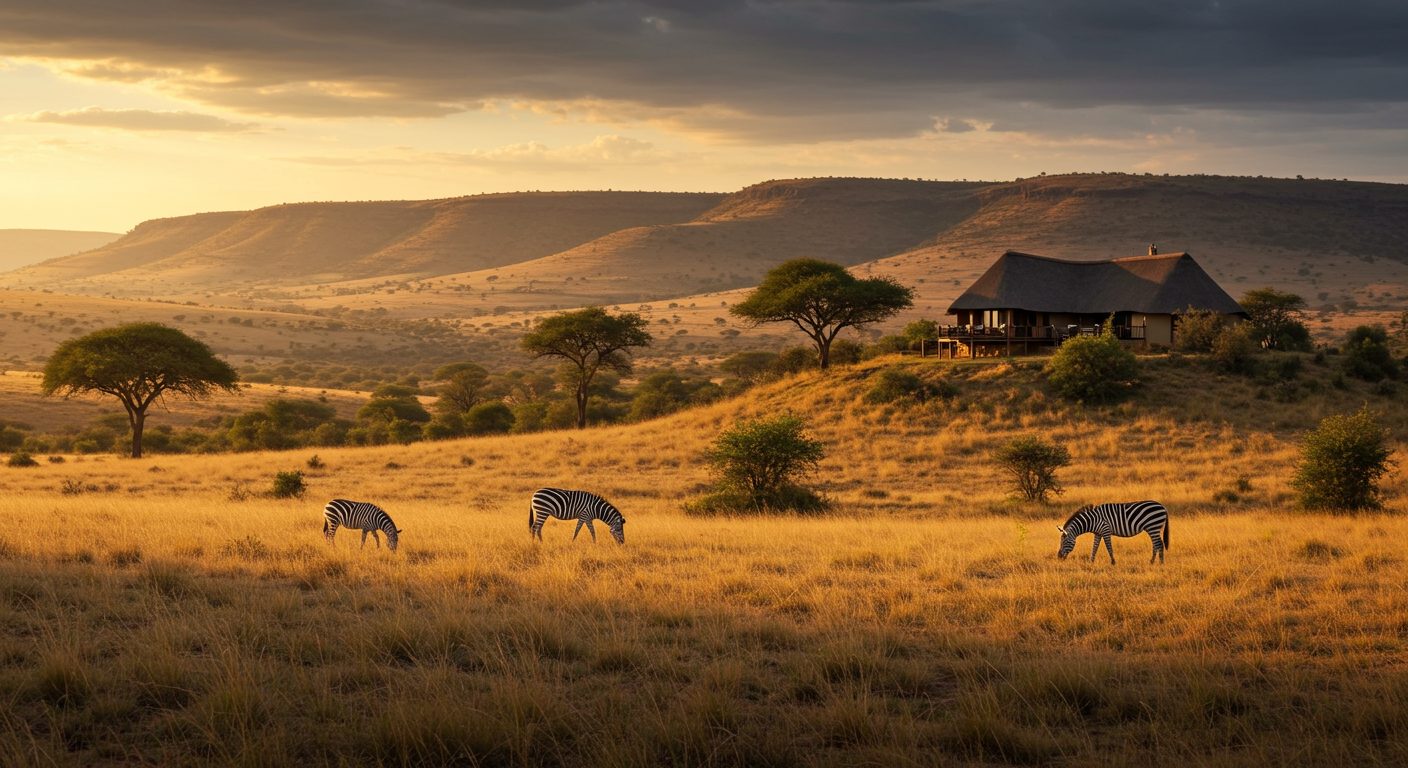
The lodge sits on land that was actual farmland until 1991, when &Beyond converted it back to wilderness. Now it forms part of the greater Kruger ecosystem, which means the animals move freely between Ngala and the rest of the park. No fences, no restrictions – just 14,700 hectares where nature makes the rules.
Getting to Ngala Safari Lodge From Johannesburg
Most visitors fly from OR Tambo to Hoedspruit – it’s about an hour in the air versus five hours on the road. The drive is scenic if you enjoy watching the landscape change from Highveld grasslands to proper Lowveld bush, but after Nelspruit you’re dealing with potholes that could swallow a bakkie and roads where the speed limit is more of a suggestion than a rule.
From Hoedspruit Airport, it’s roughly 50km to the lodge. You won’t be driving yourself though – &Beyond arranges transfers because the roads aren’t marked and one wrong turn puts you in someone’s cattle farm instead of the reserve. The transfer takes about an hour depending on animal sightings along the way. Sometimes your journey to the lodge becomes your first game drive.
The road from Hoedspruit winds through comunities like Acornhoek where you’ll see proper rural life – donkeys on the road, street vendors selling mangoes, kids walking home from school. Then you hit the reserve gates and everything changes. The tar stops, the dust starts, and you’re officially in wilderness.
Ngala’s Location Within Timbavati and Kruger
Timbavati means “the place where something sacred came down to earth” in Shangaan, and when you see a leopard in a tree at sunset you’ll understand why they named it that. The reserve borders Kruger’s western edge with no fences between them – it’s all one massive ecosystem stretching east to the Mozambique border.
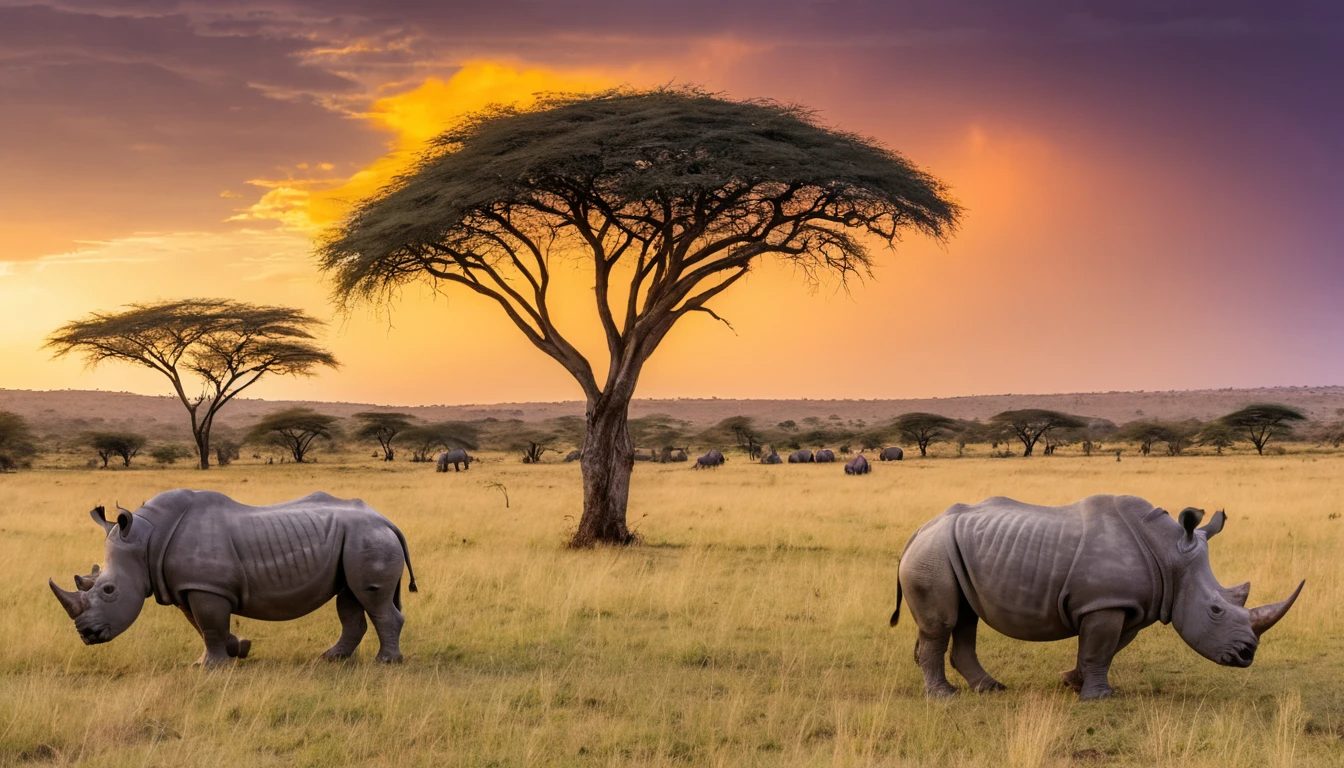
Ngala sits in the western section of this wilderness, giving you access to the Timbavati River (when it flows, which isn’t always) and diverse habitats from riverine forest to open savanna. You’re looking at Big Five territory here – lion, leopard, elephant, buffalo, and rhino all call this area home, along with wild dog packs that range across the unfenced areas.
The reserve shares boundaries with several other private concessions, but you won’t see them. No signposts, no fences, no indication you’ve crossed from one property to another. The animals certainly don’t care about property lines, which is why the conservation model works so well.
What is the Best Time of Year to Visit Ngala Lodge?
Winter months from May to September give you the best game viewing because the bush is dry, grass is short, and animals cluster around water sources. Mornings are freezing though – we’re talking 5°C at dawn when you’re sitting in an open game viewer trying to spot lions. Pack layers or you’ll regret it.
Summer (November to March) brings afternoon thunderstorms that clear the air and turn the bush green. It’s hot – mid-30s most days – and humid enough that you’ll go through three shirts before lunch. But this is when birds arrive from Europe and Africa’s north, babies are born, and the landscape explodes with life. Photography in summer is stunning if you time it between rain showers.
The shoulder seasons (April and October) split the difference. You get decent game viewing without the winter cold or summer heat. Prices drop slightly too, which helps if you’re watching your budget. Just know that April can still be quite warm and October is when things start heating up again.
Is Ngala Lodge All-Inclusive?
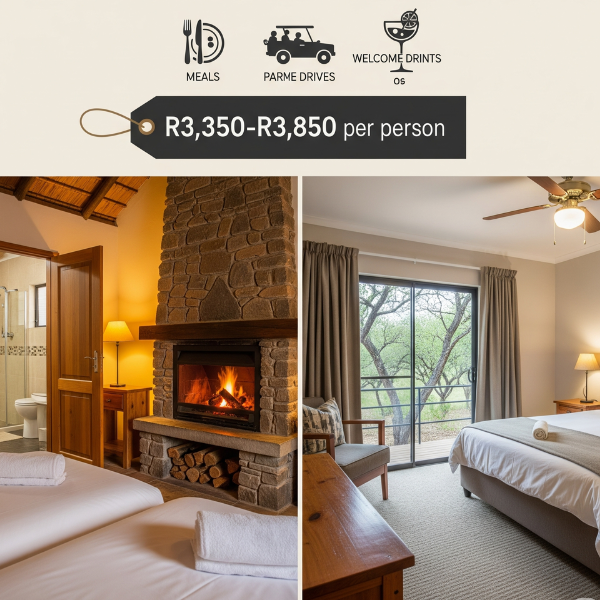
Yes, Ngala operates on a full all-inclusive model covering accommodation, meals, safari activities, park fees, and most drinks. You’re paying for everything upfront except premium alcohol brands, spa treatments, and curio shop purchases. This makes budgeting easier since you’re not getting surprise bills at checkout.
The all-inclusive rate covers two game drives daily – early morning and late afternoon – plus walking safaris with armed rangers if you fancy meeting a buffalo on foot. Meals are serious affairs with three courses at dinner and breakfast spreads that could feed an army. They accomodate dietary requirements too, though you should mention allergies or preferences when booking.
What the all-inclusive doesn’t cover is flights to Hoedspruit, transfers from the airport (usually booked separately), gratuities for staff, and anything from the curio shop. Premium imported spirits and champagnes also cost extra, though the included drinks selection is perfectly fine for most people.
Ngala Safari Tented Camp
About 5km from the main lodge, Ngala Tented Camp offers a more intimate bushveld experience with just six tents versus the lodge’s 21 rooms. The tents are permanent structures with proper beds, en-suite bathrooms, and deck areas where you can sit and watch animals wander past. Don’t expect lightweight camping gear – these tents have more luxury than most Johannesburg hotels.
The camp shares game drives and rangers with the main lodge, so you get the same quality experience. But the atmosphere is different – smaller groups, quieter evenings, more personal service. Some people prefer it precisely because it feels more remote and exclusive.
Both properties sit within the same 14,700-hectare concession with access to identical wildlife areas. Your choice between them comes down to whether you want classic safari lodge comfort or the (slightly) more adventurous tented experience. Either way, you’re in prime Big Five territory with professional guides who know every termite mound and leopard den in the reserve.
The tented camp works well for families wanting privacy or groups booking the entire camp for exclusive use. You can also combine stays – a few nights at each property gives you the full Ngala experience without commiting to one style.
Are Oribi Gorge and Lake Eland Game Reserve the Same Thing?
Frequently Asked Questions
How far is Ngala from Kruger National Park?
Ngala doesn’t sit outside Kruger – it’s technically part of the greater Kruger ecosystem within the Timbavati Reserve, which shares unfenced borders with Kruger proper. There’s no physical barrier between Ngala and Kruger, so animals move freely. You’re essentially in Kruger without the day-visitor traffic and crowds at waterholes. The main Orpen Gate entrance to public Kruger sits about 30km east of Ngala.
Can you self-drive to Ngala Safari Lodge?
No, Ngala doesn’t allow self-driving. All visitors arrive via organized transfers from Hoedspruit Airport or by road transfer from Johannesburg. This isn’t about being difficult – private reserves maintain exclusive access to control visitor numbers and protect the wilderness experience. You’ll hand over your car keys at the gate (if driving) and use the lodge’s game vehicles for all activities. The reserve roads aren’t marked anyway, so you’d get hopelessly lost within 20 minutes.
What animals can you see at Ngala?
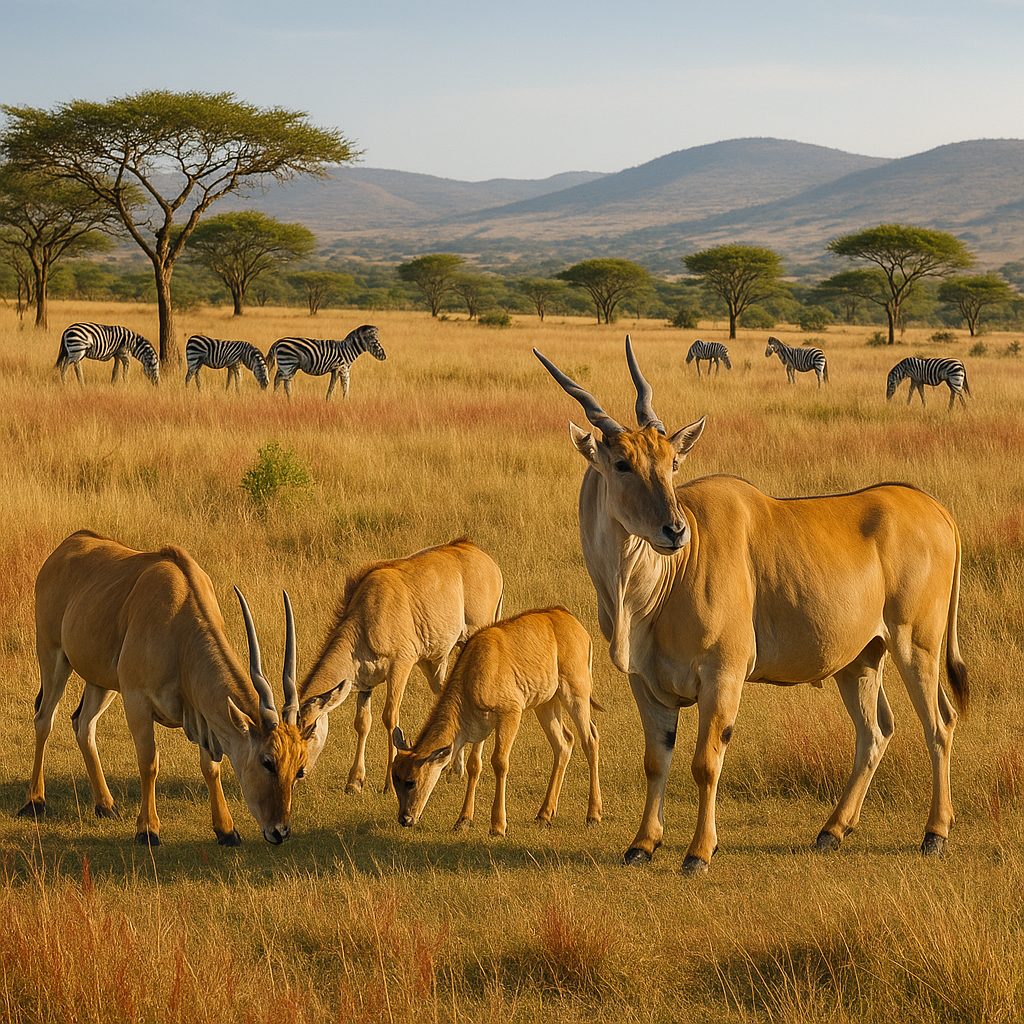
Ngala hosts the Big Five (lion, leopard, elephant, buffalo, rhino) plus regular sightings of wild dog, cheetah, giraffe, zebra, wildebeest, and various antelope species. The Timbavati River area attracts diverse wildlife when flowing. Bird checklist exceeds 300 species. Your sighting success depends on season, weather, and luck – this is wild Africa, not a zoo. Some visitors see everything in two days, others miss the leopards entirely. That’s the beauty of genuine wilderness.