


Thornybush Game Lodge 2026
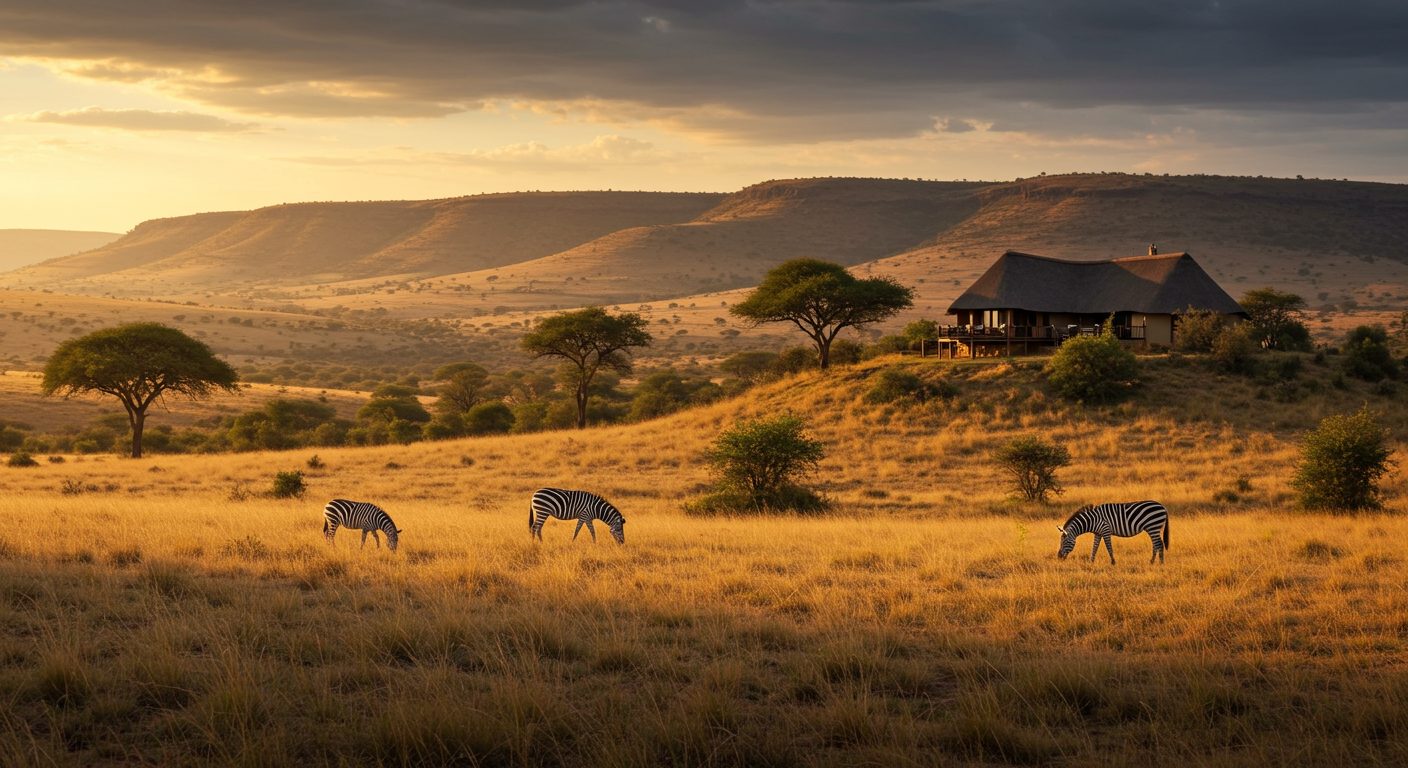
Thornybush Game Lodge sits within the Greater Kruger area in Limpopo Province, offering visitors direct access to unfenced wilderness where wildlife roams freely between the private reserve and Kruger National Park. This malaria-free region has earned its reputation as one of South Africa’s premier safari destinations, with multiple lodges scattered across 14,600 hectares of pristine bushveld. The reserve shares a 30-kilometre boundary with Kruger, which means game drives here often rival those in the national park itself.
The name ‘Thornybush’ comes from the acacia trees that dominate parts of the landscape, though you’ll find varied terrain including riverine forests, open grasslands, and rocky outcrops. Most visitors arrive through Hoedspruit’s Eastgate Airport, roughly 40 minutes away, though some prefer the scenic drive from Johannesburg which takes about six hours. The reserve operates year-round, with each season offering something different for wildlife enthusiasts.
Key Takeaways
| Aspect | Details |
|---|---|
| Location | Greater Kruger, Limpopo Province, unfenced from Kruger National Park |
| Access | 40 minutes from Hoedspruit Eastgate Airport, 6 hours from Johannesburg |
| Size | 14,600 hectares shared between multiple lodges |
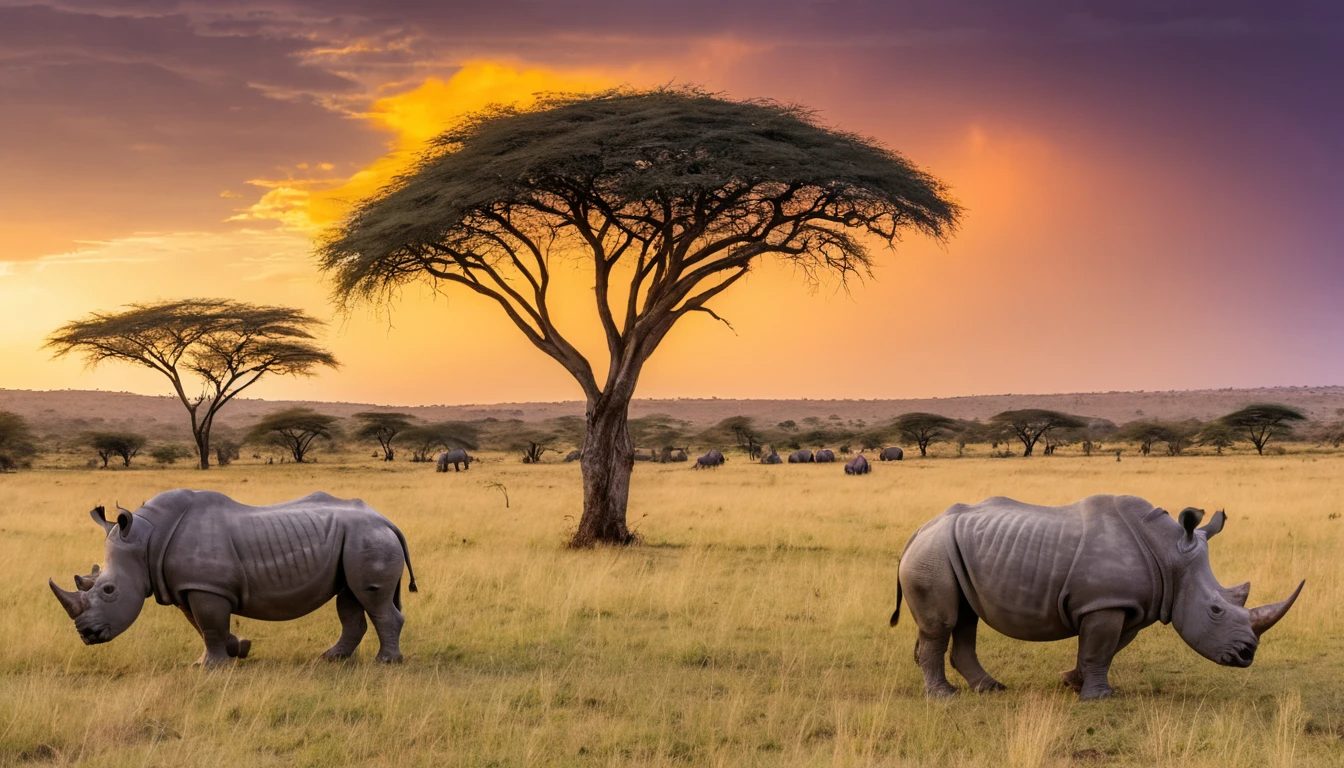
| Wildlife | Big Five (lion, leopard, elephant, buffalo, rhino) plus 350+ bird species |
| Malaria Status | Low-risk malaria area, prophylaxis recommended |
| Best Viewing | Dry winter months (May-September) for game concentration |
| Accommodation Range | Intimate lodges to larger family-friendly options |
Where Wildlife Patterns Shape Your Safari Experience
Game viewing at Thornybush Game Lodge follows predictable patterns that seasoned guides use to your advantage. During winter months, animals concentrate around remaining water sources, making sightings more reliable. The Monwana River runs through portions of the reserve, attracting everything from elephant herds to solitary leopards who prefer the thick vegetation along its banks.
Lions often hunt just before dawn, whilst wild dogs cover enormous distances during cooler hours. Afternoon drives transition into night safaris, revealing creatures you’d never see during daylight – genets, civets, and sometimes even aardvarks emerge once darkness falls.
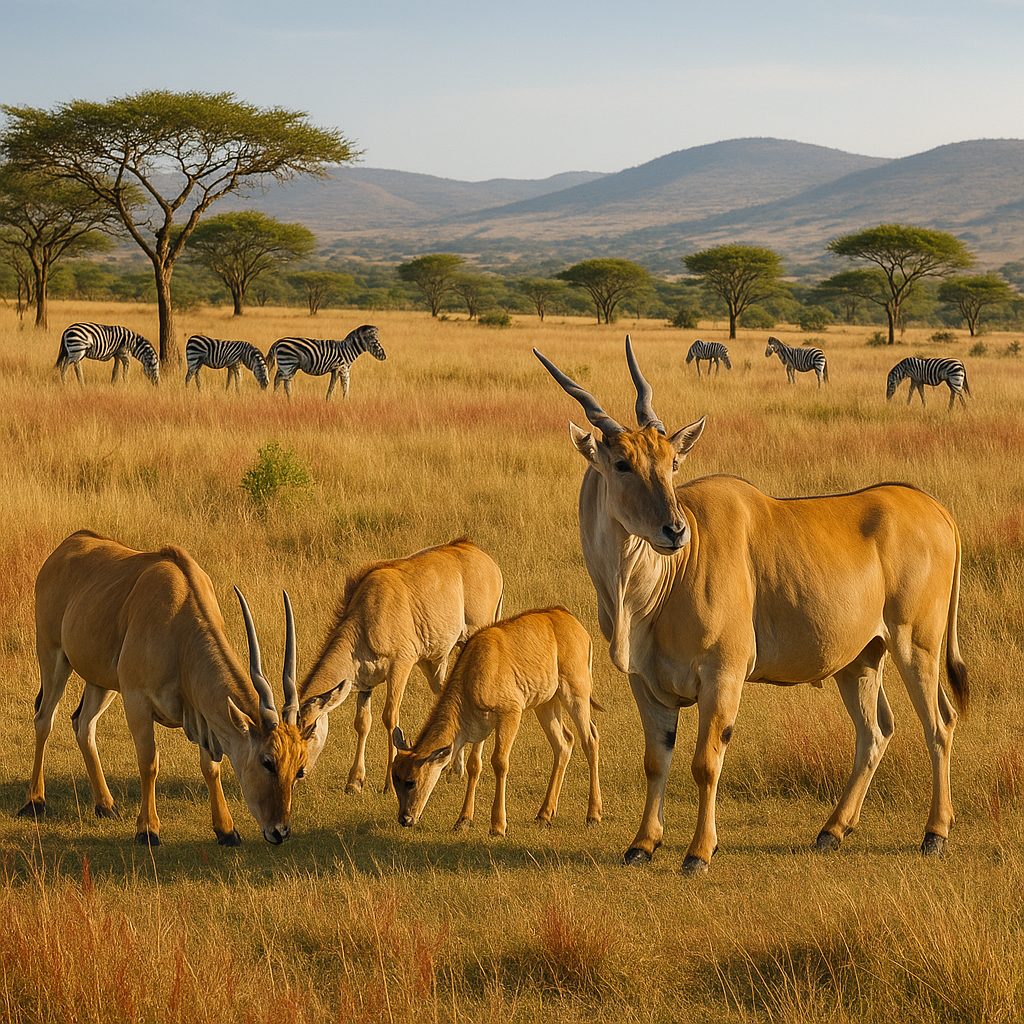
The reserve’s unfenced nature means migrations still occur here, though not on the scale you’d see in East Africa. Elephant bulls wander between Kruger and Thornybush freely, zebra herds shift based on grazing quality, and predators follow prey movements without artificial boundaries limiting their range. Similar dynamics occur at locations like Ngala Safari Lodge, which also shares borders with Kruger.
What Makes Different Lodges Stand Apart
- Intimate bush camps – Smaller properties with 6-10 suites focus on personalised service and exclusive game drive vehicles
- Family lodges – Larger establishments accommodate children with dedicated rangers and flexible schedules
- Luxury options – High-end lodges include private plunge pools, outdoor showers, and premium amenities
- Classic safari camps – Traditional tented camps emphasise authentic bushveld atmosphere over modern comforts
Thornybush Game Lodge Luxury Safari Lodges
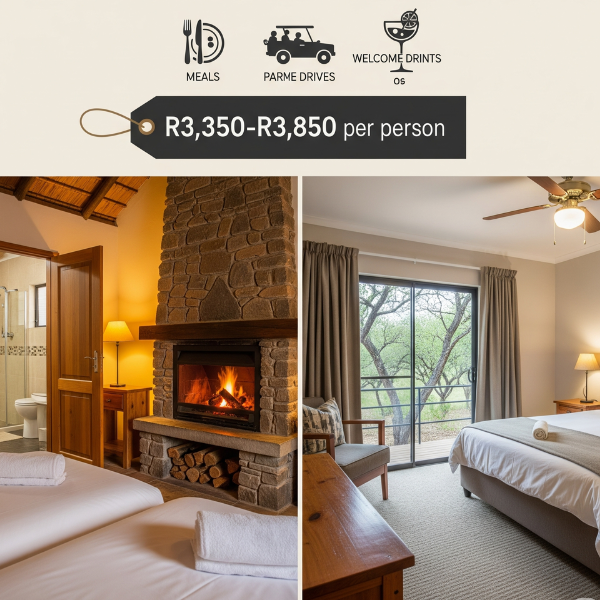
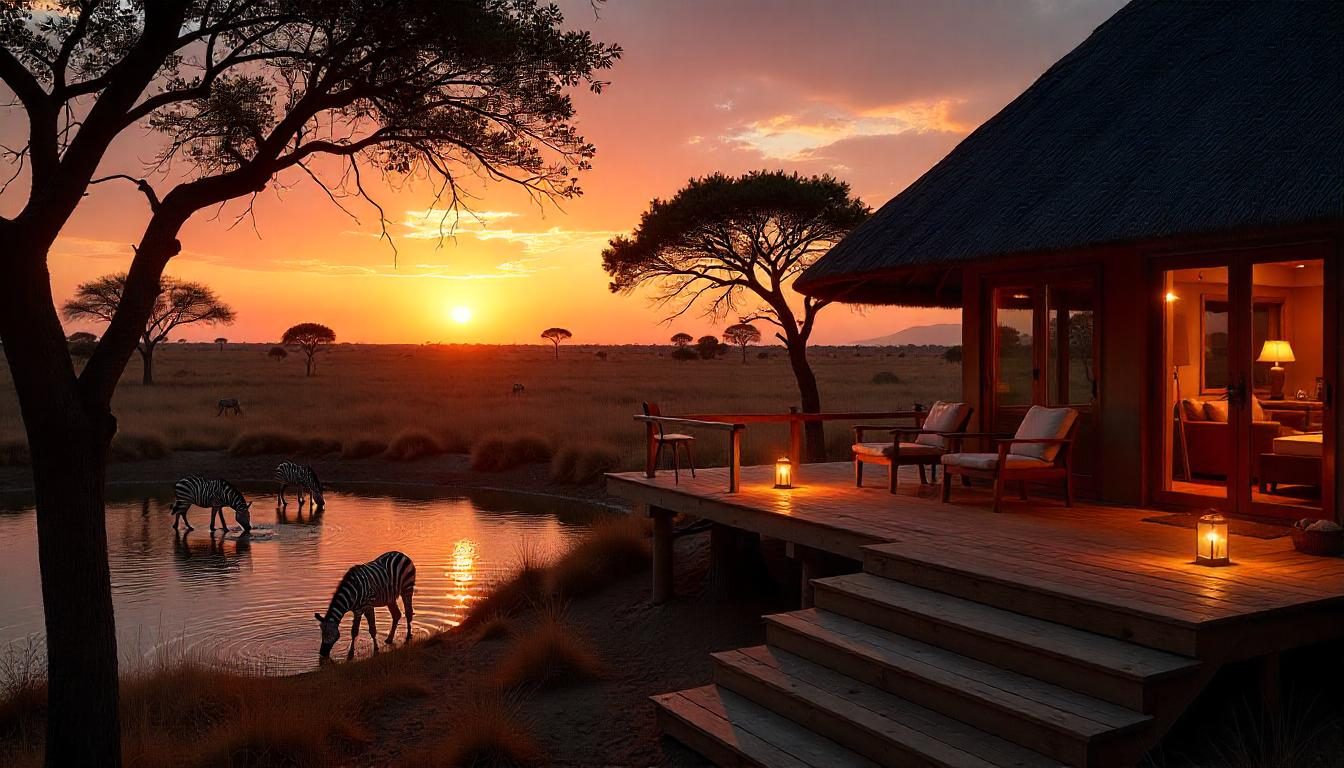
The term ‘luxury’ gets thrown around carelessly in safari marketing, but at Thornybush it usually means something specific. Private decks overlooking waterholes, heated pools, air conditioning that actually works, and food that goes beyond basic bush cuisine. Some lodges employ chefs trained at proper culinary institutions rather than just camp cooks, which shows in evening meals.
Room configurations vary significantly between properties. Entry-level suites might offer 40 square metres with outdoor showers, whilst premium options stretch to 120 square metres with separate lounges and private bomas. Most luxury lodges include twice-daily game drives, all meals, local beverages, and one bush walk in their rates. You’ll pay extra for premium spirits, spa treatments, and private vehicle hire.
What separates truly exceptional lodges from merely good ones often comes down to guiding quality and ranger knowledge. A skilled guide transforms a lion sighting from “look, there’s a lion” into understanding pride dynamics, territorial behaviour, and how drought conditions affect hunting success. The best guides at Thornybush hold FGASA Level 2 or higher qualifications, with years of bush experience backing their formal training.
Staff Expertise Beyond Just Wildlife
Rangers here don’t just identify animals, they read landscapes. They’ll point out which trees elephants prefer during different seasons, explain how termite mounds indicate soil quality, and show you medicinal plants that local communities have used for generations. Some guides grew up in surrounding villages and bring cultural knowledge that international staff simply can’t match.
Hot water never runs out despite multiple suites using showers simultaneously. Meals appear perfectly timed after game drives. Laundry returns cleaned and pressed within hours. This operational standard separates premium lodges from budget options.
Thornybush Game Lodge Rates
Pricing at Thornybush follows seasonal patterns that reward flexible travellers. Peak season runs from July through October when dry conditions concentrate game and European visitors escape northern summers. Expect premium rates during these months, though wildlife viewing justifies the cost. Green season (November to March) brings afternoon thunderstorms, lush vegetation, and significantly lower prices.
Most lodges quote per person sharing rates that include accommodation, meals, game activities, and beverages. Single supplements add 50-75% to the base rate, which penalises solo travellers but reflects the business reality of selling rooms individually. Children’s rates vary dramatically between properties – some welcome families with discounted rates for under-12s, whilst others maintain adult-only policies year-round.
Here’s how typical rate structures break down across different lodge categories:
| Lodge Type | Low Season | High Season | What’s Included |
|---|---|---|---|
| Classic Bush Camp | Base rate | +40% increase | 2 drives, meals, local drinks |
| Mid-Range Lodge | Base rate | +55% increase | 2 drives, meals, house beverages, 1 walk |
| Luxury Property | Base rate | +70% increase | All activities, premium drinks, spa credit |
| Ultra-Luxury | Base rate | +85% increase | Private vehicles available, champagne, exclusive areas |
Conservation levies appear as separate line items on invoices, typically running at a fixed amount per person per night. These fees fund anti-poaching operations, habitat management, and community projects. Some lodges also charge government park fees, though the reserve privately owns most land.
Hidden Costs That Catch Visitors Off Guard
Gratuities present an awkward topic that many first-time safari-goers handle poorly. Rangers and trackers expect tips, with general guidance suggesting around 10-15% of your total lodge rate split between them. Room attendants, chefs, and other staff also receive tips, usually placed in a communal box. Budget accordingly, as these amounts add up quickly over multi-night stays.
The differences between reserves can be substantial, and understanding what drives pricing helps explain rate variations. Thornybush’s proximity to Kruger and established lodge infrastructure keeps costs somewhat contained compared to more remote reserves requiring charter flights.
Thornybush Game Lodge Things To Do
Game drives dominate most visitors’ schedules, typically departing before sunrise and again in late afternoon. Morning drives last 3-4 hours including a coffee stop in the bush, whilst afternoon excursions extend into darkness for spotlighting. Rangers communicate via radio about significant sightings, though crowding rarely becomes problematic like it sometimes does in Kruger proper.
Bush walks offer something fundamentally different from vehicle-based safaris. Your ranger carries a rifle, a tracker reads spoor, and you follow on foot at whatever pace the bush dictates. These walks focus less on big game and more on understanding ecosystems – identifying dung beetles, examining tracks, learning which plants are edible. Walking safaris aren’t available everywhere since lodges need armed guides with specific qualifications.
Activities Beyond Standard Game Viewing:
- Photographic hides – Some lodges maintain underground or elevated hides for photographing wildlife at eye level or from unique angles
- Stargazing sessions – Clear bushveld skies with minimal light pollution reveal constellations rarely visible in urban areas
- Cultural visits – Selected properties arrange visits to neighbouring communities, though these vary in authenticity
- Spa treatments – Bush spas offer massage and wellness treatments, often in outdoor settings overlooking wilderness areas
- Private dining – Romantic bush dinners under stars, sometimes near active waterholes
Bird watching peaks during summer months when migrants arrive from Europe and elsewhere. The reserve hosts over 350 species, including Southern Ground Hornbill, Martial Eagle, and various vulture species. Serious birders should mention their interest when booking since rangers adjust their focus accordingly.
What Happens During Typical Safari Days
Most lodges follow similar schedules that guests quickly adapt to. Wake-up calls come around 5:00 AM with coffee or tea delivered to rooms. Morning drives depart by 5:30 AM, returning around 9:00 AM for breakfast. Mid-morning through early afternoon allows for rest, pool time, or spa visits. Lunch service runs from 12:30-2:00 PM. Afternoon tea precedes the 3:30-4:00 PM drive departure, with sundowners built into the route. Dinner follows the evening drive, usually served around 8:00 PM.
This rhythm gets broken occasionally for special sightings. If rangers locate a leopard kill or wild dog den, schedules flex to maximise viewing opportunities. Good lodges understand when to adapt standard programmes for exceptional circumstances.
Questions People Actually Ask About Thornybush
What makes Thornybush different from staying in Kruger National Park?
Private reserves like Thornybush allow off-road driving, which means rangers can follow animals through the bush rather than staying on marked routes. Night drives with spotlights reveal nocturnal species impossible to see during day visits. Exclusive traversing rights mean fewer vehicles at sightings compared to Kruger’s public roads. You’ll also experience smaller group sizes, with most game drive vehicles carrying maximum six guests. The trade-off is cost, since private reserves charge substantially more than Kruger’s self-catering camps.
Can you walk between lodges or must you stay on property?
Walking freely isn’t permitted since dangerous game roams throughout the reserve. Lodges occupy fenced areas only around main buildings, with electric fencing keeping elephants and buffalo from wandering into guest areas. Any movement between lodges requires vehicle transport arranged through management. This restriction exists purely for safety, not to limit guest freedom. Even experienced bushmen don’t walk casually through areas containing lions and leopards.
How does weather affect game viewing throughout the year?
Winter months (May-September) bring cold mornings requiring layered clothing but produce exceptional game viewing. Animals concentrate around limited water sources, vegetation thins out improving visibility, and predators hunt more actively in cooler temperatures. Summer (October-March) features afternoon thunderstorms, lush green landscapes, and dispersed wildlife. Baby animals appear during summer, bird diversity peaks, and photography benefits from dramatic storm light. Each season offers advantages depending on what you want to see.
Is Thornybush suitable for families with young children?
Age policies vary between lodges, with some accepting children of all ages whilst others maintain minimum age restrictions (commonly 6, 8, or even 12 years old). Family-friendly properties provide dedicated rangers who adjust drives for shorter attention spans, flexible meal times, and connected family suites. Game viewing with young kids requires realistic expectations since drives last several hours and animals don’t perform on schedule. Some families prefer booking private vehicles to control timing and bathroom breaks.
For more information about South African game reserves and safari options, visit the Game Reserves South Africa.