



South Africa’s Safari Seasons
Are you dreaming of an unforgettable wildlife adventure in South Africa? Start your journey to find the best times to see the Big Five and other amazing creatures. South Africa’s safari seasons offer a wide range of experiences, from dry savannas to lush landscapes. But when is the perfect time for your safari trip?
Key Takeaways
- Explore the distinct characteristics of South Africa’s dry and wet seasons
- Understand how temperature variations impact wildlife viewing and safari experiences
- Discover Safari Seasons the best times for spotting the Big Five and other iconic animals
- Uncover the benefits and trade-offs of peak versus off-peak safari periods
- Learn about seasonal migration patterns and their influence on animal behavior
Understanding South Africa’s Safari Seasons and Climate Patterns
Going on a safari in South Africa is an exciting adventure. Knowing the different seasons can make your trip better. You’ll learn about the dry and wet seasons and how the temperature changes throughout the year.
Dry Season vs. Wet Season Characteristics
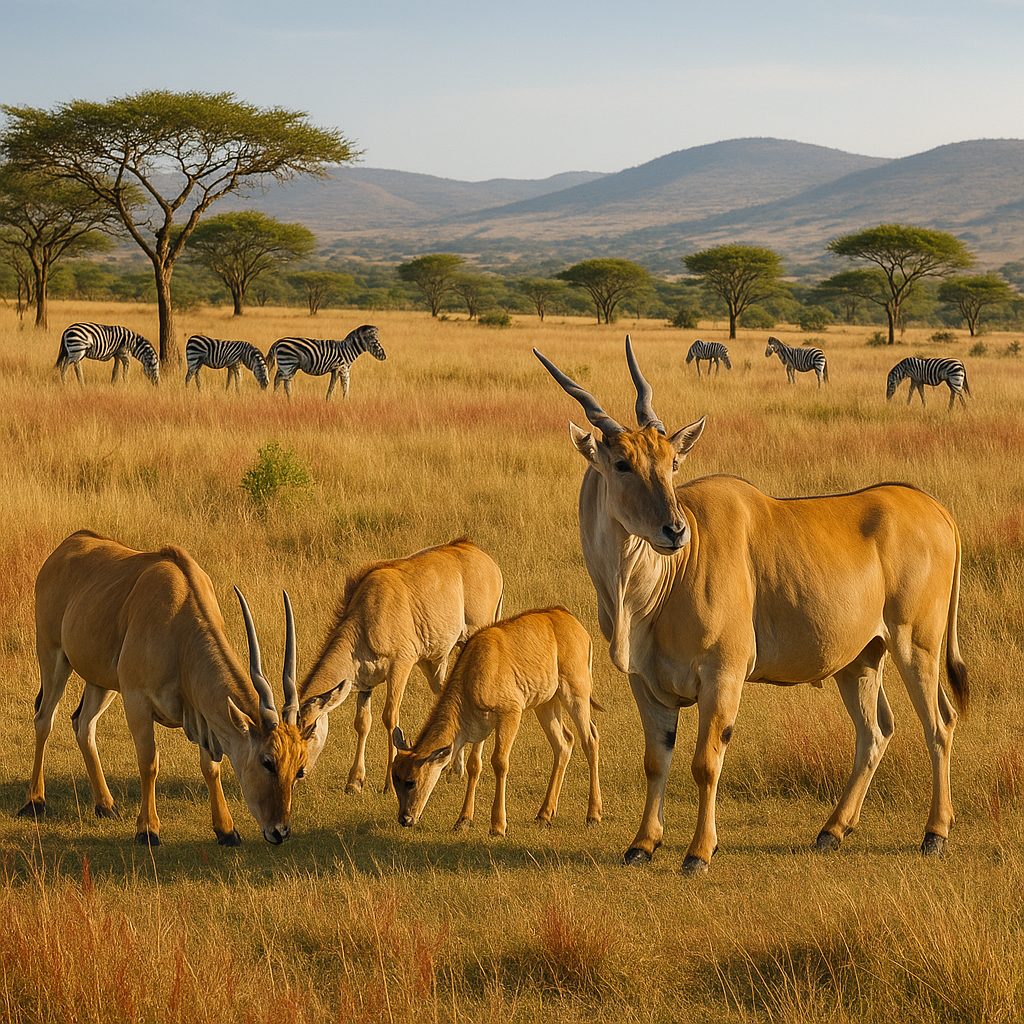
The dry season in South Africa is from May to October. During this time, the plants are sparse, making it easier to see animals. Animals gather around water sources, giving you great views of wildlife.
The wet season, from November to April, brings green landscapes. You can see animals like wildebeest and zebra as they move with the migration patterns.
Temperature Variations Throughout the Year
The weather in South Africa changes a lot with the seasons. Winters are mild, with temperatures between 15°C and 25°C. Summers can be hot, with temperatures sometimes over 30°C.
These changes affect how comfortable you’ll be on your safari. It’s important to pack the right clothes for the weather.
Impact of Climate Change on Safari Planning
Climate change affects South Africa’s safari lodges and malaria-free reserves too. Changes in weather can alter where animals live and how much water is available. Knowing about Safari Seasons changes helps you plan your safari better.
| Characteristic | Dry Season (May – October) | Wet Season (November – April) |
|---|---|---|
| Vegetation | Sparse and dry | Lush and verdant |
| Wildlife Viewing | Excellent, as animals congregate around water sources | Opportunity to witness seasonal migration patterns |
| Temperature | Mild, with average daytime temperatures of 15°C to 25°C | Warm, with temperatures often reaching 30°C or higher |
| Climate Change Impact | Shifts in rainfall patterns and water availability | Increased frequency of severe weather events |
Best Times for Wildlife Viewing and Big Five Encounters
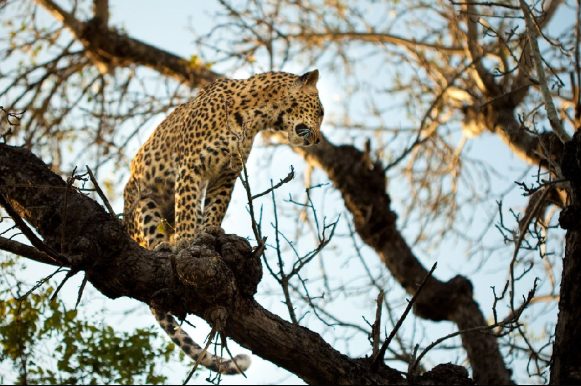
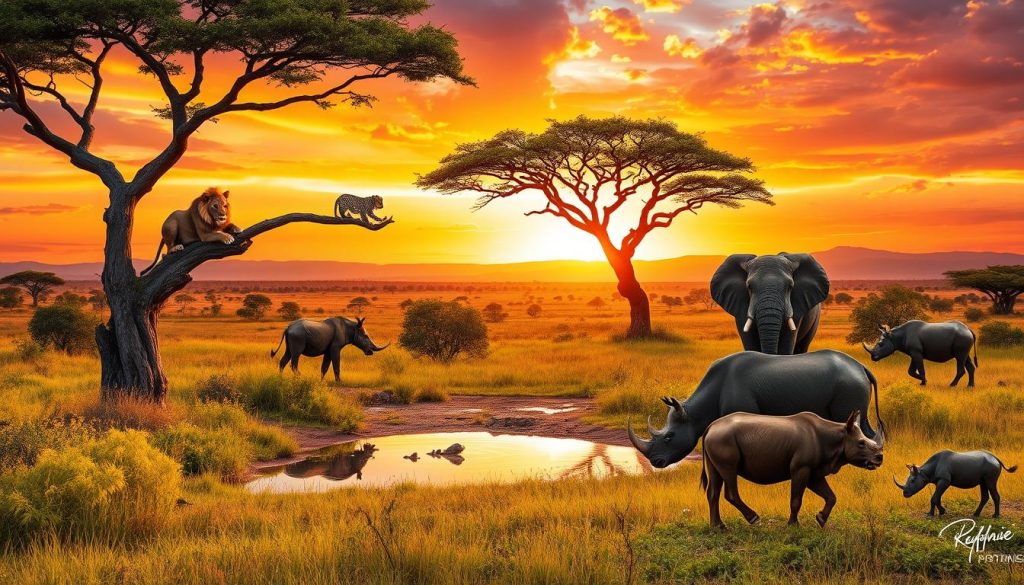
South Africa’s diverse landscapes and thriving wildlife offer unparalleled opportunities for animal enthusiasts and nature lovers. When planning a safari, the timing of your visit can significantly impact the chances of spotting the iconic Big Five animals – lions, leopards, elephants, rhinoceros, and buffalo.
The best times for wildlife viewing and Big Five encounters in South Africa vary depending on the Safari Seasons and regional climate patterns. Here are some insights into the optimal periods to witness these majestic creatures:
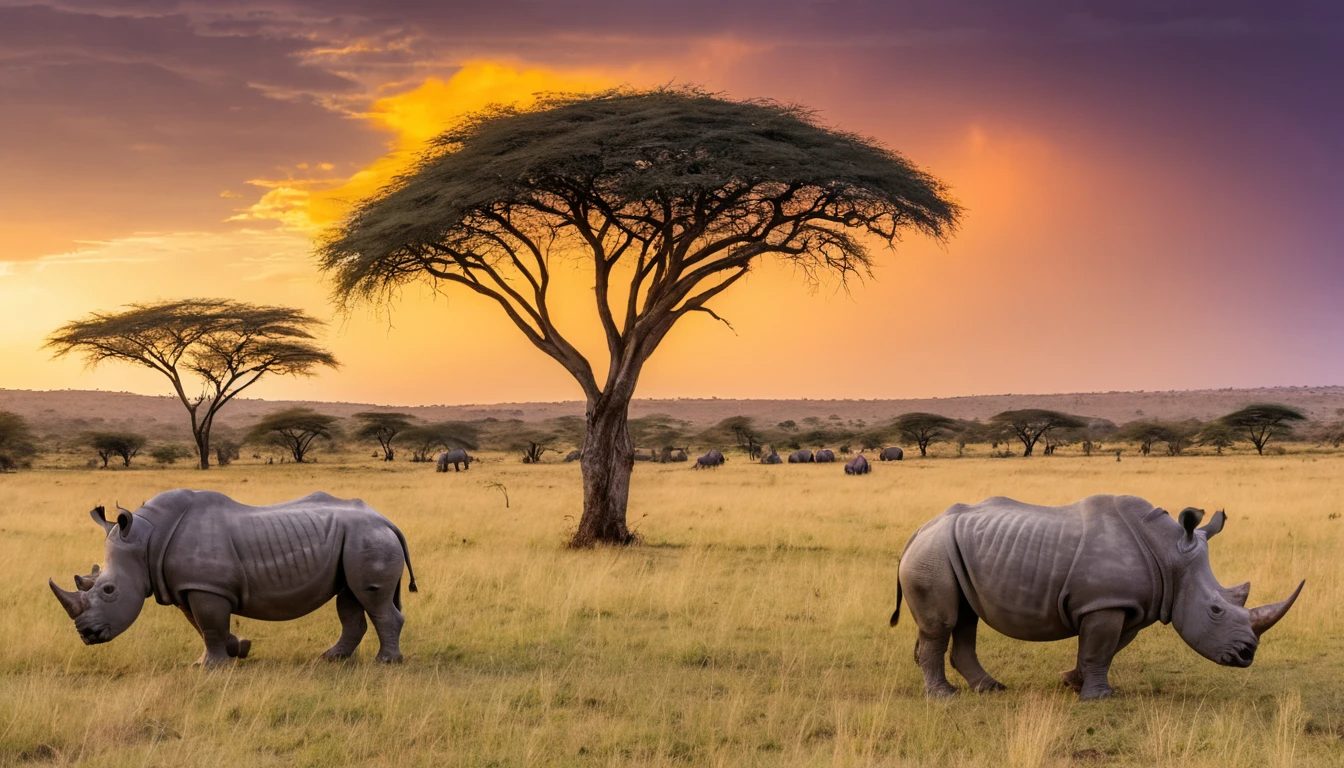
- Dry Season (May to September): During the drier months, the vegetation is sparser, making it easier to spot the Big Five animals as they congregate around limited water sources. This is an excellent time to observe the hunting behaviors of lions and leopards, as well as witness the impressive gatherings of elephants and rhinos.
- Wet Season (October to April): The rainy season brings lush, green landscapes, and the animals tend to disperse more widely in search of food and water. However, this is a prime time to witness the wildlife viewing of newborn calves and other young animals, as well as migratory bird species.
Regardless of the season, South Africa’s diverse national parks and game reserves offer countless opportunities to capture unforgettable memories and best time to visit the Big Five animals. By understanding the seasonal patterns and animal behaviors, you can plan your safari to maximize your chances of encountering these majestic creatures in their natural habitats.
Peak vs. Off-Peak Safari Experiences: Making the Right Choice
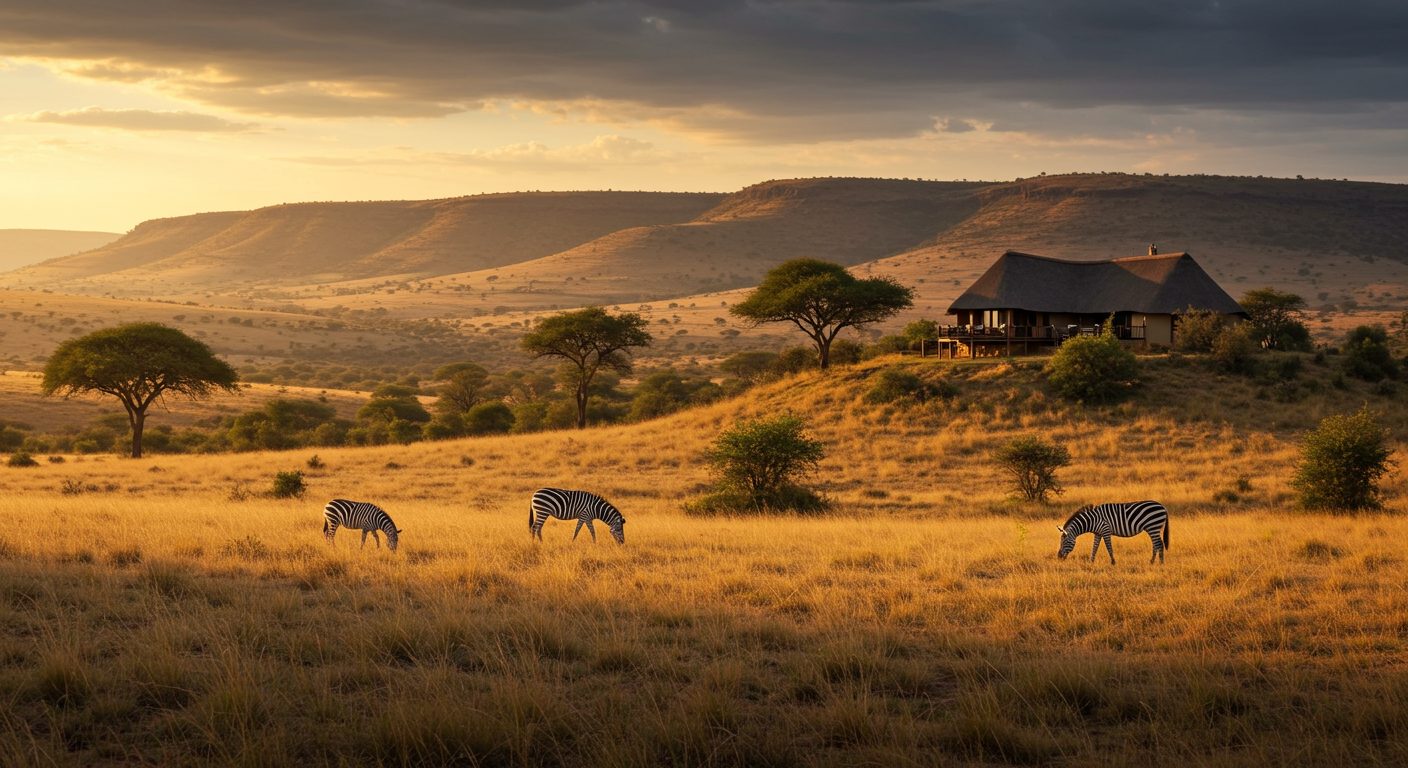
Planning a luxury safari in South Africa? Knowing the difference between peak and off-peak seasons is key. Each Safari Seasons has its own perks. By looking at prices, crowd levels, and special experiences, you can pick the best time to visit top safari lodges.
Pricing Differences Between Seasons
Safari lodges in South Africa change their prices with the seasons. Peak season, which is usually the dry winter, costs more because it’s busier. Off-peak season, the summer rainy months, is cheaper. Travelers who can be flexible with their dates can save a lot and still enjoy a luxury safari.
Crowd Levels and Booking Requirements
The number of visitors to safari lodges changes with the seasons. Peak times can get crowded, so booking early is a must. Off-peak seasons are less busy, offering a more personal safari experience. This is great for those wanting to enjoy the African wilderness in peace.
Exclusive Safari Experiences by Season
- See the amazing wildebeest and zebra migration in the dry season
- Enjoy the green landscapes and lots of birds in the wet summer
- Have the best chance to see the Big Five all year round
- Find exclusive safari lodges with special activities and perks for each season
Understanding South Africa’s safari seasons helps plan a trip that fits your wants and budget. Whether you want the excitement of peak season or the calm of off-peak, the right planning can make your safari unforgettable.
| Peak Season | Off-Peak Season |
|---|---|
| Higher Prices | Lower Prices |
| Crowded Destinations | Fewer Crowds |
| Advance Booking Required | More Flexible Booking |
| Witness Dramatic Migrations | Lush, Verdant Landscapes |
Seasonal Migration Patterns and Animal Behavior
South Africa’s diverse wildlife is a major draw for safari enthusiasts. Knowing the migration patterns and behavioral changes of animals is key. This knowledge helps you make the most of your wildlife viewing experience. From the iconic big five to the captivating bird watching opportunities, each season offers unique encounters.
In the dry safari season, many species migrate in search of water and grazing resources. This is the best time to see the great wildebeest and zebra migrations. You can also see elephant herds and predators following their prey. The wet season brings a flurry of birding activity. Migratory birds from all over the world arrive for the abundant food sources and breeding grounds.
| Season | Migration Patterns | Animal Behavior | Birding Opportunities |
|---|---|---|---|
| Dry Season |
|
|
|
| Wet Season |
|
|
|
By understanding these seasonal migration patterns and changes in animal behavior, you can plan your safari. This way, you can catch the best wildlife viewing and birding opportunities. It ensures an unforgettable and enriching experience in South Africa’s captivating natural landscapes.
Photography Opportunities Across Different Seasons
South Africa’s diverse safari seasons offer a wealth of captivating photography opportunities. Whether you’re seeking the perfect wildlife shots or breathtaking landscape compositions, each season presents its unique charms and challenges.
Lighting Conditions by Season
The changing light throughout the year can dramatically impact the quality of your photographs. During the dry season, the warm, golden tones of the early morning and late afternoon create a soft, flattering glow on your subjects. In the wet season, the diffused lighting from overcast skies can produce moody, atmospheric images. Photographers must be mindful of these seasonal lighting variations to capture the most stunning results.
Best Wildlife Photography Moments
South Africa’s wildlife is a prime draw for photographers, and each safari season offers its own special moments. The dry safari season, with its abundant water sources, allows for exceptional sightings of the Big Five and other iconic species. The wet season, on the other hand, is a prime time to capture the energy and activity of migratory birds and newborn animals. Photographers must be prepared to seize these fleeting but remarkable photographic opportunities.
Landscape Photography Highlights
Beyond the wildlife, South Africa’s diverse landscapes provide endless inspiration for landscape photographers. The dry season showcases the rugged, earthy tones of the terrain, while the wet season transforms the scenery with vibrant greenery and dramatic skies. Whether you’re capturing the sweeping vistas of the savanna or the majestic peaks of the Drakensberg Mountains, South Africa’s seasonal changes offer a wealth of photographic possibilities.
FAQ
When is the best time to visit South Africa for a safari?
The best time for a safari in South Africa depends on what you want to see. The dry season, from May to October, is great for spotting animals because they gather near water. But, the wet season from November to April is also good for seeing newborn animals and birds migrating.
What are the differences between the dry and wet seasons in South Africa?
In the dry season, it’s easier to see animals because the landscape is open. The weather is mild, with cool mornings and evenings. The wet season brings green landscapes, warmer weather, and migratory birds. It’s also when you can see young animals.
How does climate change affect safari planning in South Africa?
Climate change is changing the weather in South Africa, making it harder to predict. This affects when animals migrate and when it’s best to see them. Travelers and safari operators need to stay updated and flexible to have a great safari.
When is the best time to see the Big Five (lion, leopard, elephant, rhino, and buffalo) in South Africa?
The best time to see the Big Five varies. Lions and leopards are more active in the dry season. Elephants and buffalo are around all year but best seen in the dry safari season. Rhinos can be spotted any time in special reserves.
How does the cost and availability of safari experiences differ between peak and off-peak seasons?
Safari packages and accommodations cost more in the dry season (May to October) because it’s busier. Prices drop in the wet safari season, and you might find more availability. But, some luxury lodges are open all year.
What are the best photographic opportunities during South Africa’s safari seasons?
Each safari season has its own photo opportunities. The dry season offers clear light and open landscapes for wildlife photos. The wet season has lush greenery and dramatic skies for wildlife and adventure shots. Knowing when animals migrate and behave helps photographers get the best shots.
Are there any malaria-free safari destinations in South Africa?
Yes, places like Madikwe Game Reserve and Pilanesberg National Park are malaria-free. They let you see the Big Five without malaria risk, making them great for families and those worried about mosquitoes.
One thought on “South Africa’s Safari Seasons”